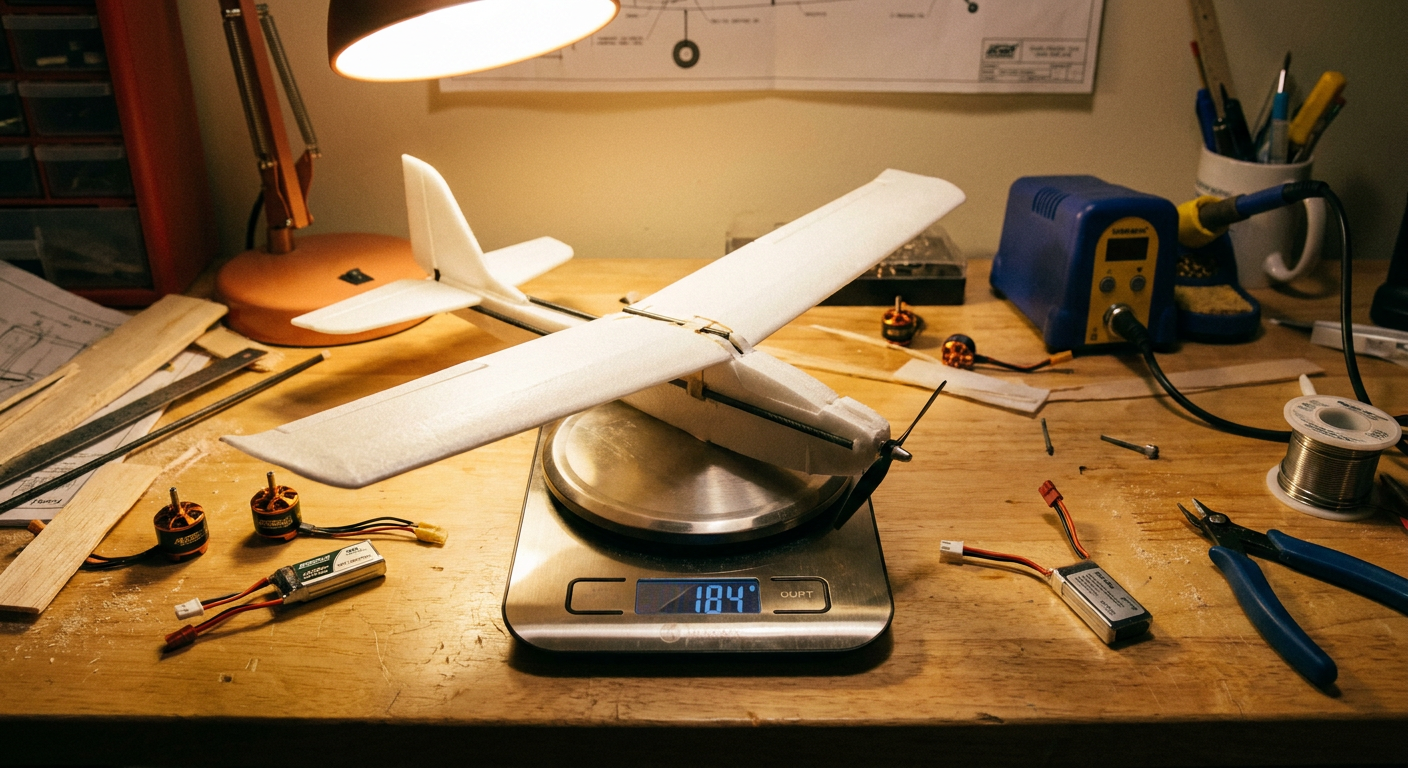
The Federal Aviation Administration recreational flight rules for 2026 have kept one crucial boundary crystal clear: aircraft weighing 0.55 pounds or less (under 250 grams) at takeoff do not require registration on DroneZone. For weekend flyers heading to the local park or school soccer pitch, that 249-gram ceiling remains the easiest path to clean, hassle-free flying.
Crossing that line by a single gram changes everything. Once your airframe hits 250 grams with its battery installed, you are legally required to pay the registration fee, mark your FAA registration number on the outside of the fuselage, and comply with operational requirements that can complicate a quick Sunday morning flight. If you fly recreationally, you still need to spend ten minutes taking the free online TRUST safety test and keep proof of it on your phone. You must also follow community safety guidelines and stay under 400 feet. But avoiding FAA registration and the heavy, expensive hardware associated with larger craft keeps park flying spontaneous, affordable, and fun.
Building a plane that stays under 250 grams used to mean accepting fragile, jittery balsa sticks that could not handle a five-mile-per-hour breeze. Modern micro gear has completely flipped that script. With drone-derived micro brushless motors, tiny All-In-One boards, and tough expanded polypropylene (EPP) foam, you can build an agile, wind-capable sport cruiser that easily weighs in between 140 and 210 grams all-up. The challenge is no longer whether it is possible. The challenge is avoiding the weight creep that sneaks up on you during the build.
The Real Meaning of the 249-Gram Limit
Many flyers misunderstand what the FAA measures. The 0.55-pound threshold is an all-up takeoff weight (AUW). It is not the dry airframe weight listed on the box. It includes the airframe, the motor, the receiver, the servos, the pushrods, every drop of glue, your battery pack, and any action camera or payload you strap on before tossing it into the air.
If you buy an ultra-micro ready-to-fly model that weighs 210 grams out of the box and then swap the stock 300mAh battery for an 850mAh pack to get longer flight times, you might push the scale to 255 grams. At that moment, your unregistered plane becomes non-compliant. The same thing happens when you apply heavy clear packing tape over the entire wing leading edge after a rough landing or glue a heavy balance weight into the nose.
Staying safely under the line requires building with a target weight of 180 to 210 grams. That gives you a 40-gram buffer for windier days when you want a larger battery, or for field repairs with foam glue.
Selecting Powertrains for Micro Cruisers
Ten years ago, sub-250g planes relied on tiny brushed coreless motors with noisy plastic gearbox drives or high-KV direct-drive screamers that drained tiny 1S batteries in three minutes. Today, the explosion of micro FPV drone manufacturing has handed RC plane builders some of the most efficient, durable power systems ever made.
1S Setups: 1102 to 1202.5 Brushless Motors
If your goal is a slow-flying backyard cruiser, a 30-inch profile model, or an indoor gym flyer, a 1S powertrain is practically impossible to push over the weight limit. A 1102 or 1202.5 brushless motor rated around 8,000 to 10,000 KV weighs roughly 3 to 4.5 grams. Paired with a 65mm to 3-inch micro prop and a 1S 450mAh LiPo pack (which weighs roughly 12 to 14 grams), this motor produces 50 to 80 grams of thrust on less than 4 amps of current draw.
On an ultra-light Depron or peeled foam board airframe with an all-up weight of 70 to 90 grams, an 1102 setup delivers floaty, gentle characteristics. You can fly circuits around a single basketball court for seven to nine minutes per charge. The trade-off is wind penetration. A 1S setup cannot push through gusts above 7 mph without getting kicked around.
2S Setups: 1404 Brushless Motors
For real park flying across open sports fields where you encounter 10 to 15 mph wind gusts, 2S power is the undisputed sweet spot. A 1404 stator size motor rated between 3800KV and 4500KV weighs between 9 and 11 grams. Spinning a 4-inch or 5-inch twin-blade prop (such as the Gemfan 4024 or 5125), a single 1404 motor on a 2S pack delivers between 220 and 320 grams of static thrust.
That yields a thrust-to-weight ratio well above 1:1 on a 190-gram sport model. You get instant climb-outs, reliable loop-and-roll authority, and the airspeed needed to cut back upwind when a gust catches the airframe. A standard 2S 450mAh 45C pack weighs approximately 28 to 32 grams, while a 2S 650mAh pack sits right around 40 grams. Even with the heavier pack, your total electrical power system (motor, prop, ESC, battery) comes in at less than 75 grams.
Receivers and Electronics: Splitting vs AIO Boards
Once your powertrain is selected, how you handle radio link and motor control dictates another 15 to 30 grams of your total budget.
+-------------------------------------------------------------+
|              MICRO ELECTRONICS ARCHITECTURES                |
|                                                             |
|  OPTION A: AIO Board (Compact, Ultra-Light)                |
|  +-------------------------------------------------------+  |
|  |  Integrated: ESC (5A-12A) + ELRS/PWM Receiver         |  |
|  |  Weight: 4.5g to 7.0g total                           |  |
|  +-------------------------------------------------------+  |
|                            v                                |
|             Direct solder to micro servos                   |
|                                                             |
|  OPTION B: Modular Components (Easy Field Service)          |
|  +-----------------------+     +-------------------------+  |
|  | Standalone Micro ESC  |     | Micro PWM Receiver      |  |
|  | (6A-12A BLHeli_S)     | <-> | (ELRS 4ch/6ch with pins)|  |
|  | Weight: ~6.0g         |     | Weight: ~2.5g to 4.0g   |  |
|  +-----------------------+     +-------------------------+  |
+-------------------------------------------------------------+
All-In-One (AIO) Flight Boards
Micro AIO boards designed for whoop drones combine an ESC, receiver, and flight controller on a single PCB weighing between 4.5 and 7 grams. Many builders flash these with fixed-wing firmware variants to get built-in gyro stabilization, battery voltage telemetry, and speed control on a single postage-stamp footprint.
The advantage is pure weight savings and zero interconnect wiring. The disadvantage is repairability. If you burn out the motor drive FET during a nose-in prop strike, you lose the whole board unless you are skilled with micro hot-air rework tools.
Modular Micro ESC and PWM Receivers
For most club builders, using discrete components is much simpler to wire, repair, and maintain. Modern micro PWM receivers using the ExpressLRS protocol weigh less than 2 grams with pin headers installed and offer full range with real-time signal strength and voltage reporting back to your transmitter.
Pairing a 2-gram receiver with a standalone 6A to 12A BLHeli_S micro fixed-wing ESC (weighing around 5 to 7 grams with motor wires) gives you a modular setup that weighs under 10 grams combined. You can use standard 1.25mm or 2.0mm servo connectors, making it painless to swap out a stripped rudder servo without touching a soldering iron.
Airframe Materials: Foam Board vs Depron vs Balsa vs 3D Print
Your choice of building material determines whether your sub-250g plane is a durable workhorse or a fragile wall hanger.
Dollar Foam Board with Paper Stripped
Standard paper-faced foam board from discount craft stores is cheap and widely available, but the paper accounts for more than half the board's total weight. A single 20x30 inch sheet weighs roughly 115 grams with paper intact. If you build a 30-inch wingspan trainer out of raw paper-faced foam, the bare airframe alone will weigh 140 to 160 grams. Once electronics and a 2S battery are installed, you will skate uncomfortably close to 245 grams.
Peeling the paper off both sides cuts the foam sheet weight down from 115 grams to just 45 grams. The resulting naked extruded polystyrene core is flexible, but adding a single 2mm hollow carbon fiber spar across the wingspan provides all the structural rigidity needed for high-G turns. A finished 28-inch peeled-foam airframe rarely exceeds 55 grams.
Molded EPP and Depron Sheets
Expanded Polypropylene (EPP) in 5mm or 6mm sheet thickness is the gold standard for crash resilience. Unlike brittle foams, EPP bends on impact and pops back into shape without snapping. A standard 6mm EPP profile plane with carbon fiber flat-strip reinforcement yields a bare airframe weight between 45 and 65 grams. It will survive hundreds of cartwheel landings into rough grass that would destroy a heavier model.
Depron (and its modern equivalents like Aero-Depron) is stiffer than EPP and produces sharper, cleaner airfoils, but cracks on severe impact. For high-efficiency gliders and precision aerobatic models where wing flex degrades roll rates, Depron remains an outstanding choice.
Traditional Balsa Construction
Building sub-250g airframes from balsa wood is deeply satisfying and produces gorgeous airplanes, but it demands strict wood selection. Standard contest-grade balsa (4 to 6 pounds per cubic foot) is required for ribs and formers. If you build from heavy, dense hobby-shop balsa sheets, the tail section will end up tail-heavy, forcing you to add dead weight to the nose.
A properly built 32-inch balsa stick-and-tissue or Ultracote-Lite covered model can easily weigh under 130 grams ready to fly with a 2S powertrain. However, balsa takes four to five times longer to build than foam and requires careful repairs when a wingtip clips a soccer goalpost.
The 3D Printing Trap
Many flyers attempt to 3D print sub-250g planes using regular PLA or PETG. In almost every case, standard filament yields an airframe that is too heavy to stay under 250 grams with a usable battery size. The plane ends up with a high wing loading, requiring fast takeoff speeds and stalling easily.
Active foaming lightweight PLA (LW-PLA) changes this math by expanding during extrusion to cut part weight by nearly half. An LW-PLA printed micro wing can hit sub-250g limits, but thin single-wall prints remain brittle compared to foam. A hard landing on frozen winter grass will shatter printed wing mounts that an EPP foamie would shrug off.
Component Weight Breakdown
The following budget and weight breakdown represents an illustrative composite of a typical 28-inch wingspan 2S sport cruiser built using peeled foam board or 6mm EPP sheet with modern budget micro electronics.
| Component | Model / Spec | Weight (g) | Typical Cost (USD) |
|---|---|---|---|
| Bare Airframe | 6mm EPP Sheet + Carbon Spars | 52.0 | $12.00 |
| Brushless Motor | 1404 3800KV Micro Motor | 10.5 | $14.00 |
| Propeller | Gemfan 4024 2-Blade | 1.8 | $1.50 |
| Speed Controller | 12A BLHeli_S Micro ESC | 6.2 | $11.00 |
| Radio Receiver | 4-Channel ELRS PWM Micro RX | 2.1 | $14.00 |
| Servos (x3) | 3.7g Micro Analog Servos | 12.3 | $9.00 |
| Linkages & Horns | 0.8mm Piano Wire + 3D Horns | 3.5 | $2.00 |
| Battery | 2S 7.4V 450mAh 45C LiPo | 29.5 | $7.50 |
| Adhesive & Tape | UHU Por / Foam-Tac + Blenderm | 6.0 | $3.00 |
| Total Ready-to-Fly | All-Up Takeoff Weight | 123.9 g | $74.00 |
At roughly 124 grams all-up, this configuration sits more than 125 grams below the legal registration ceiling. Even if you step up to a heavier 2S 850mAh battery for 15-minute flight times, add a runcam thumb camera, or coat the belly in landing tape, the plane will still register well below 190 grams.
Practical Habits to Prevent Build Weight Creep
When building micro models, grams disappear into small assembly choices that seem insignificant on their own. Follow these field-tested practices to keep your scale reading low:
- Put away the hot glue gun. Standard high-temp hot glue is the number one reason budget foam builds end up overweight. A few heavy beads of hot glue can add 20 to 30 grams to an airframe. Use contact adhesives designed specifically for foam, such as Foam-Tac or UHU Por, applied sparingly.
- Trim servo and ESC lead wires. Micro servos often come with 150mm leads that coil up inside the fuselage. Cutting those leads down to the exact length needed and direct-soldering them saves 4 to 6 grams of unnecessary copper and insulation.
- Skip heavy steel pushrods in plastic tubes. Use 0.8mm piano wire tips heat-shrinked onto 1mm hollow carbon fiber rods for long tail runs. This eliminates pushrod flex while weighing a fraction of standard steel wire.
- Secure batteries with hook-and-loop straps rather than plastic trays. A thin strip of genuine Velcro holds a 30-gram pack securely during aggressive aerobatics without the weight of 3D-printed battery boxes.
- Paint with light acrylic mists. Heavy enamel spray paint can add 15 grams to a bare foam model. If you want high-visibility color schemes, use Sharpie markers or light dusting coats of water-based foam-safe acrylic.
Wind Handling and Wing Loading Realities
One common criticism of sub-250g airplanes is that they bounce around in the slightest breeze. While light wing loading inherently makes an airframe responsive to thermals and gusts, proper design choices improve wind handling dramatically.
Keeping the frontal profile slim and using a symmetrical or semi-symmetrical airfoil allows micro planes to slice through chop instead of ballooning upward. Choosing a 2S motor with enough pitch speed lets you maintain positive control even when turning downwind.
Many flyers building micro airframes use tools like MyRC to test different wing areas, aspect ratios, and motor thrust combinations before cutting into their foam sheets, ensuring their calculated wing loading will track predictably in outdoor conditions.
What This Means for Park Flying
Building under the 250-gram mark is not just about avoiding a five-dollar FAA DroneZone fee. It changes where and how you can enjoy the hobby. A 150-gram foamie flying at 25 mph carries vastly less kinetic energy than a 1.2-meter, 1200-gram warbird. If you misjudge a turn and brush against a park tree, a 150-gram EPP model usually bounces off the branch, drops into the grass undamaged, and poses virtually no hazard to property.
That low-risk profile makes local parks, baseball diamonds, and open school fields practical flying venues. You do not need a 400-foot manicured grass runway or a massive club field with dedicated safety pits. You just need a soccer field, a charged 2S pack, and a plane built with sensible weight discipline.
Direct Answer: How to Keep a Park Flyer Under 250g on a Budget
To build a durable, wind-capable park flyer that stays comfortably below the FAA 249-gram registration threshold for under $80, use 6mm EPP or paper-stripped foam board with a 2mm carbon wing spar. Power it with a 1404 3800KV to 4500KV brushless motor, a 10A micro ESC, a micro ExpressLRS PWM receiver, and a 2S 450mAh LiPo battery. Assemble the airframe with contact foam glue rather than heavy hot glue to keep total all-up takeoff weight under 150 grams.
Sources
- FAA Recreational Flyers & CBO Guidelines: https://www.faa.gov/uas/recreational_flyers
- FAA Drone Registration Requirements: https://www.faa.gov/uas/getting_started/register_drone
- The Recreational UAS Safety Test (TRUST): https://www.faa.gov/uas/recreational_flyers/knowledge_test_updates
- Pilot Institute 2026 Recreational Drone Rules Guide: https://pilotinstitute.com/recreational-drone-pilots-rules/