INSIGHT · DAILY
Engineering intelligence, every day
One researched article per platform, per day — chip design, PCB automation, control systems, mechanical design, UAVs and technical education.

Code-First PCB Capture Meets the Physical Realities of Layout
Tools like Atopile and Copperhead bring code-driven capture to electronics. Here is where programmatic design accelerates hardware builds and where physics demands layout control.

Why Neural Policies Fail on Hardware Without Control Bounds
When high-torque actuators saturate or thermally derate, black-box neural policies destabilize. Here is how to wrap learned models in deterministic MPC and PID governors.
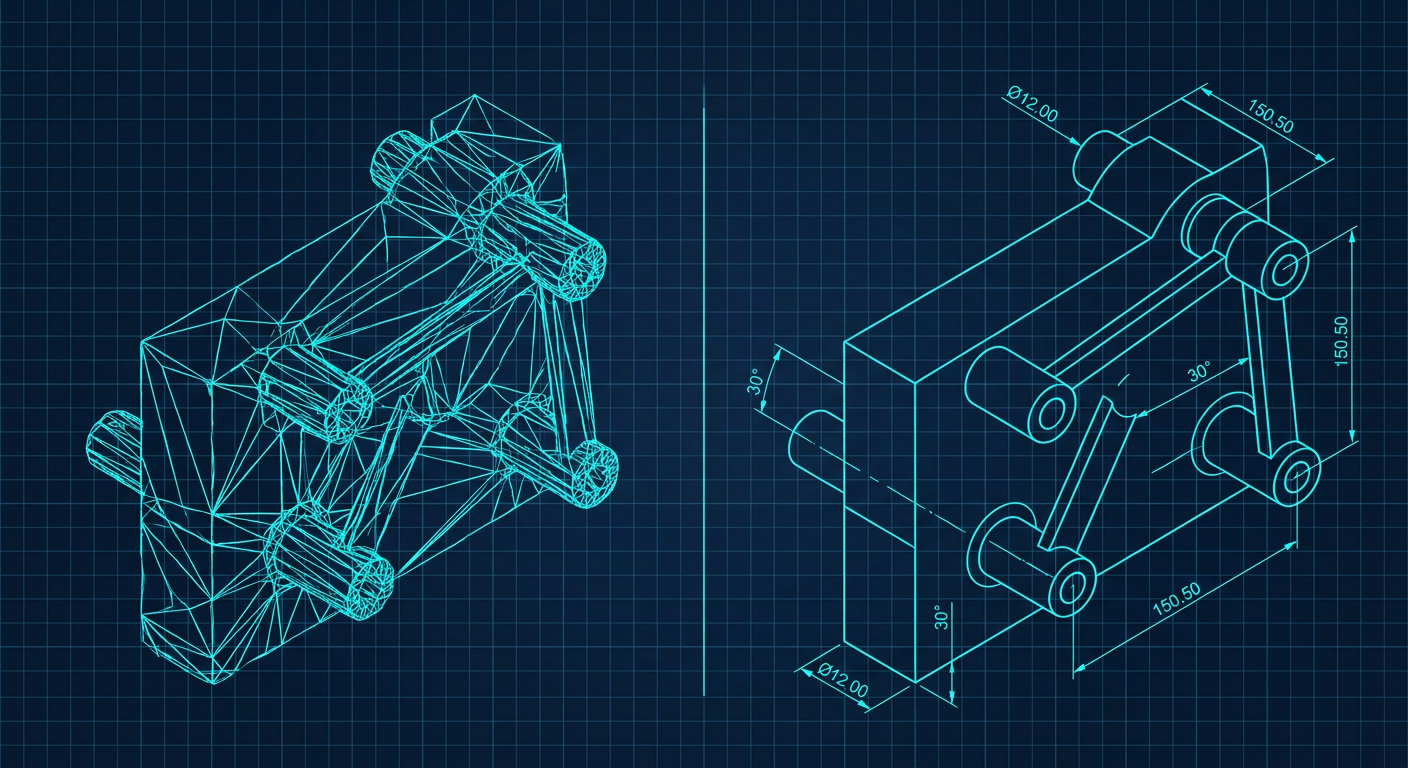
Why Text-to-CAD Misses the B-Rep Math That Makes Parts Fit
Text-to-CAD generators produce convincing renders, but their dead meshes break CNC toolpaths, bearing fits, and kinematic mates. Here is why the B-Rep gap persists.

Where Synthesis Feedback Breaks in Spec-to-RTL Agentic Loops
Cadence added spec-to-RTL generation to ChipStack AI with closed-loop synthesis. Here is why pipeline retiming, CDC lint, and SDC exceptions break agentic iterations.
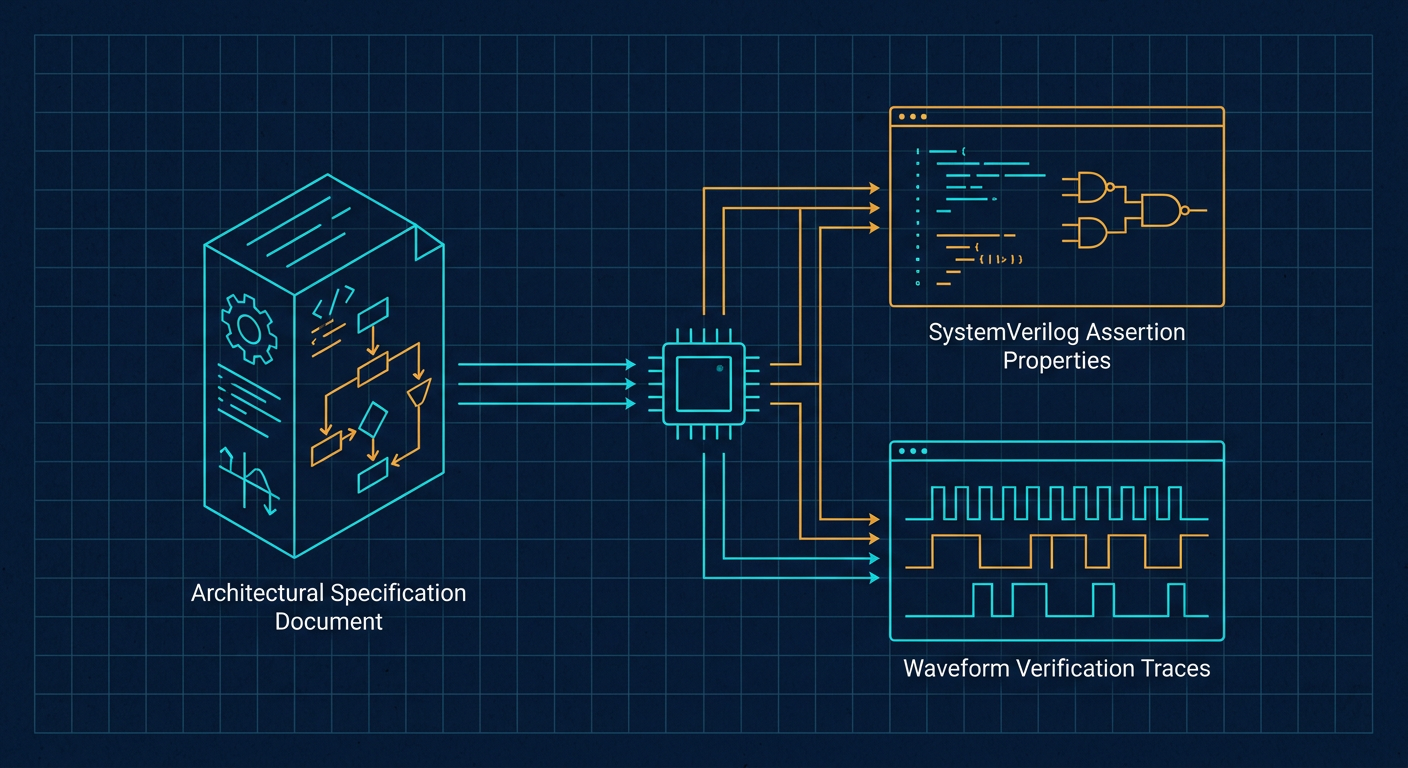
Why Spec-Driven SVA Generation Beats Prompting Raw Verilog
Generating Verilog with AI creates plausible code that fails under backpressure. Automating SystemVerilog Assertions from protocol specs cuts verification time and stops respins.

Calculating the Real Cost of Engineering Specialization in 2026
External searches for specialized engineers now drag past four months. Here is the financial model for reskilling adjacent internal talent in eight weeks.

Why AI Autorouters Pass DRC but Break Signal Return Paths
AI routing models hit 100 percent geometric completion with ease, but invisible return path splits cause EMC failures. Here is how to audit machine-generated layout.

Live Sourcing in Schematic Capture to Kill the Redesign Trap
Discovering an out-of-stock PMIC after layout burns weeks of engineering time. Here is how linking live distributor inventory to schematic capture stops late respins.

Foaming LW-PLA or Dollar Foam Board on Rough Grass
Active foaming LW-PLA lets you 3D print ultra-light RC planes, but rough grass landings and hot car trunks expose the real trade-offs against dollar foam.
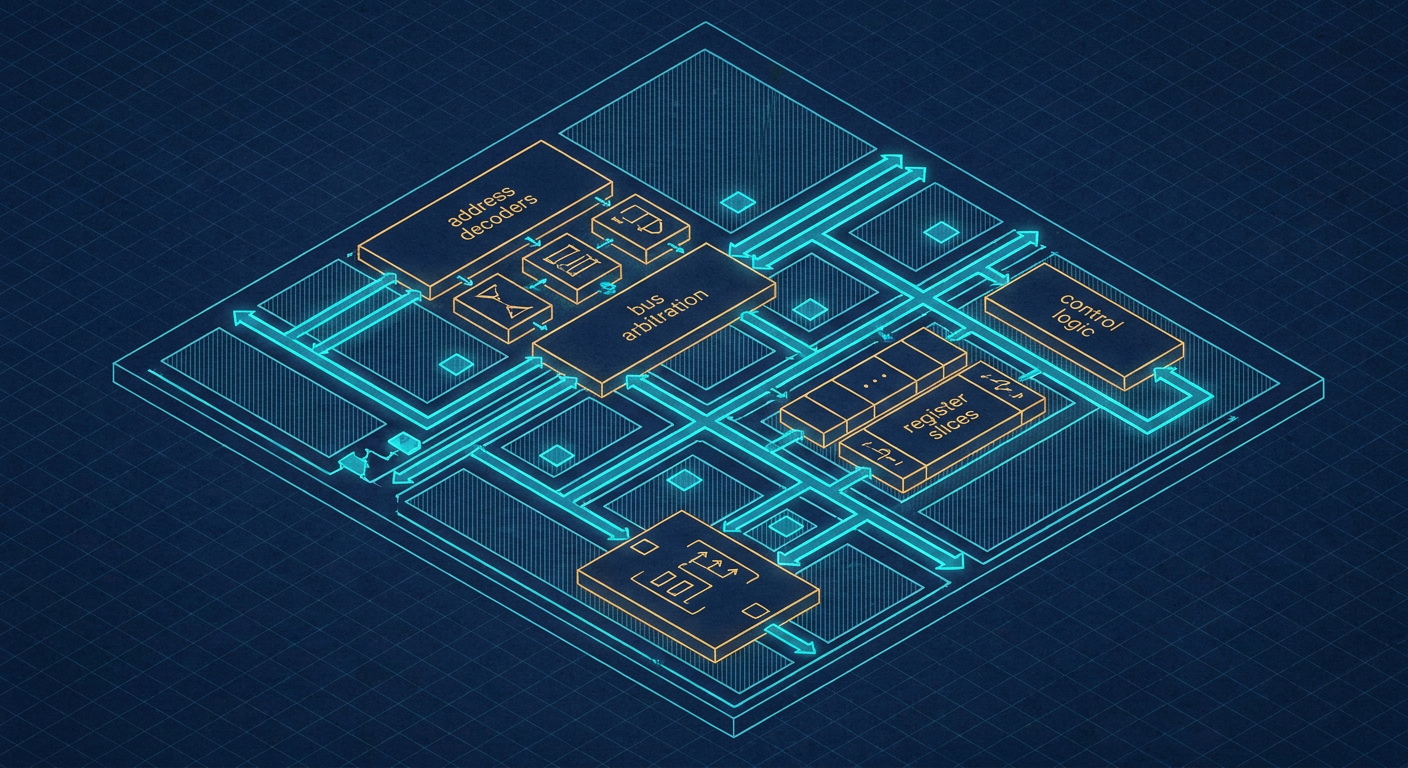
Automating FPGA Register Maps Beyond Hand-Coded AXI Interfaces
Manual AXI-Lite register maps breed silent bus deadlocks and software drift. Here is how specification automation eliminates CSR verification debt.

Neural IK vs Geometric Solvers in Custom Robotic Mechanisms
Neural inverse kinematics claims millisecond solves for complex arms. On the shop floor, positional drift and singularity jumps make classical solvers essential.

Auditing AI Generated RTL for Side Channels and Latent Traps
AI generated Verilog often passes functional testbenches while hiding timing side channels and dead state traps. Here is how formal audits secure machine code.
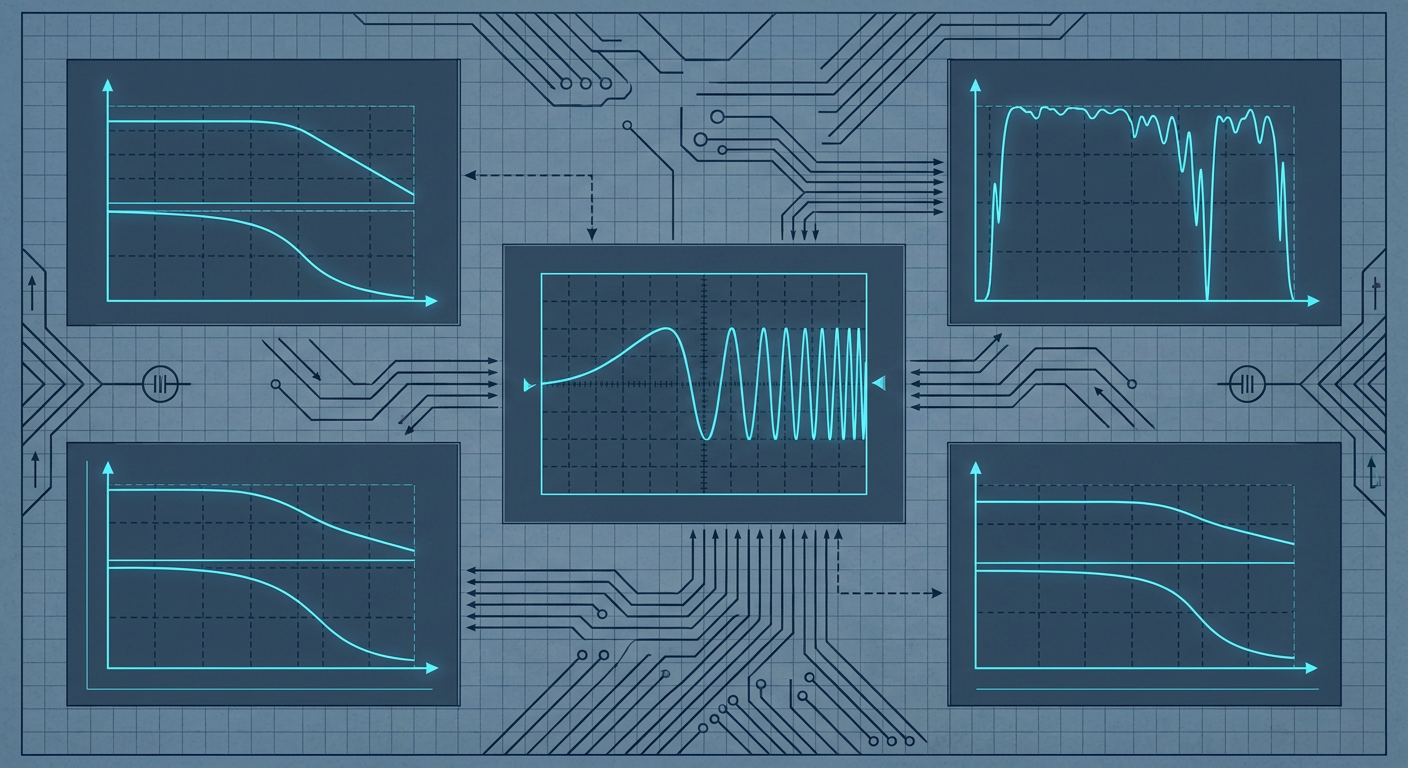
Designing Input Signals for Plant Identification
Step responses and CAD inertias hide structural compliance. Here is how to design chirp, PRBS, and multisine signals that yield bounded plant models.

Preventing Tombstoning and Copper Imbalance in High Mix SMT
Low-volume SMT runs fail when thermal mass pulls unevenly on passive pads. Here is the layout physics to eliminate 0402 and 0201 tombstoning before reflow.

What GlobalFoundries Malta Expansion Means for Edge Silicon
GlobalFoundries secured 10 billion dollars toward a 21 billion dollar Malta expansion. Here is how 22FDX and 12nm economics alter FPGA-to-ASIC transitions.

Industrial Engineering Upskilling ROI: The Build vs Buy Framework
With senior engineering retirements accelerating, external hiring costs are surging. Here is the financial model L&D leads need to prove upskilling ROI to CFOs.

How Polymatech in Bahrain Changes Gulf Hardware Prototyping
Polymatech's 16.2 million dollar plant in Bahrain brings semiconductor packaging to the GCC. Here is what regional assembly means for solo hardware engineers.

Root Causes of Violent Oscillation in Actuated Systems
High-frequency oscillation destroys robotic hardware when filter delay and torque saturation erode stability margins. Here is how to diagnose and prevent limit cycles.
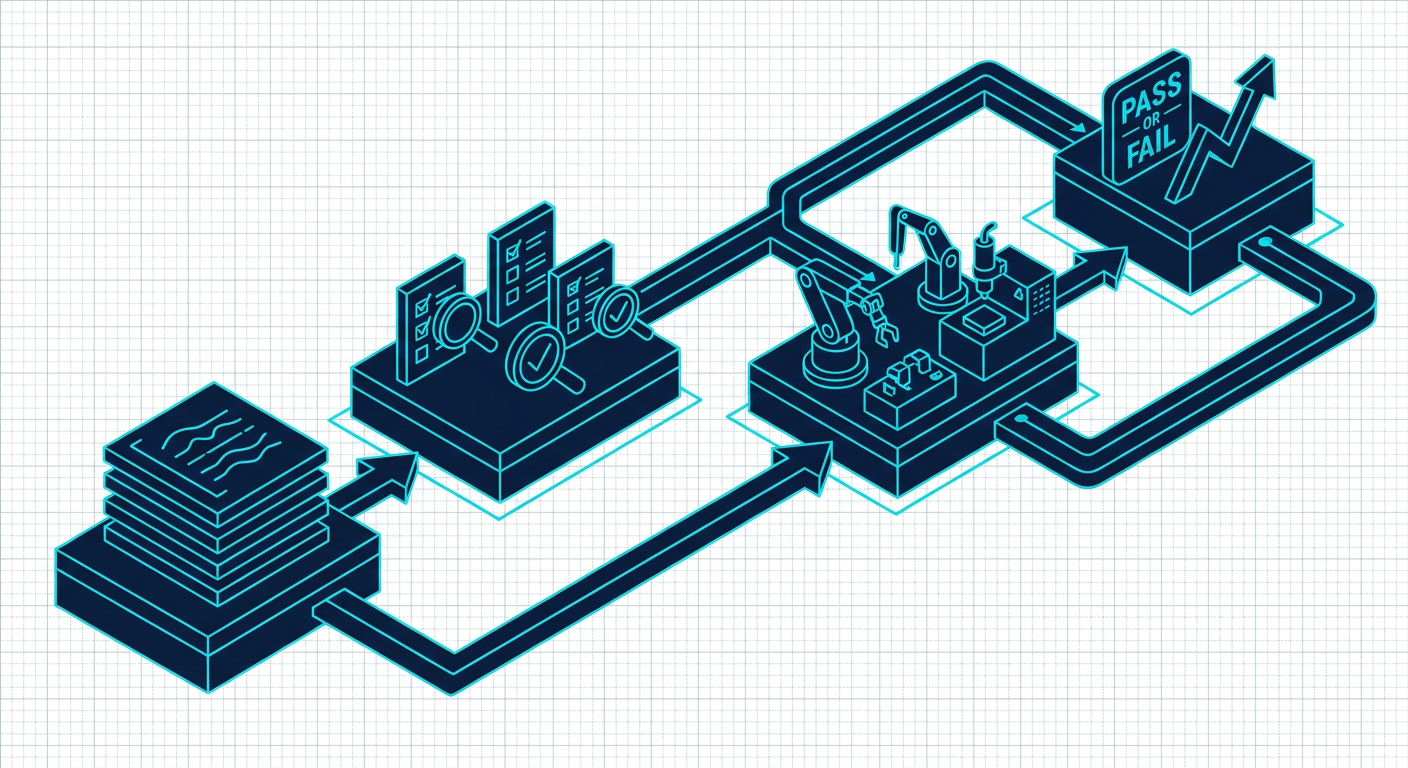
Building Closed-Loop Multi-Agent Lint Pipelines for SystemVerilog
Multi-agent RTL workflows pair LLMs with Verilator and formal checks to catch inferred latches, race conditions, and width mismatches before human pull request reviews.

Why Text-to-CAD Output Breaks Down in Shop-Floor Mechanical Workflows
Text-to-CAD tools promise instant parts from text prompts, but unconstrained meshes and dead solids cost more drafting hours to repair than modeling from scratch.
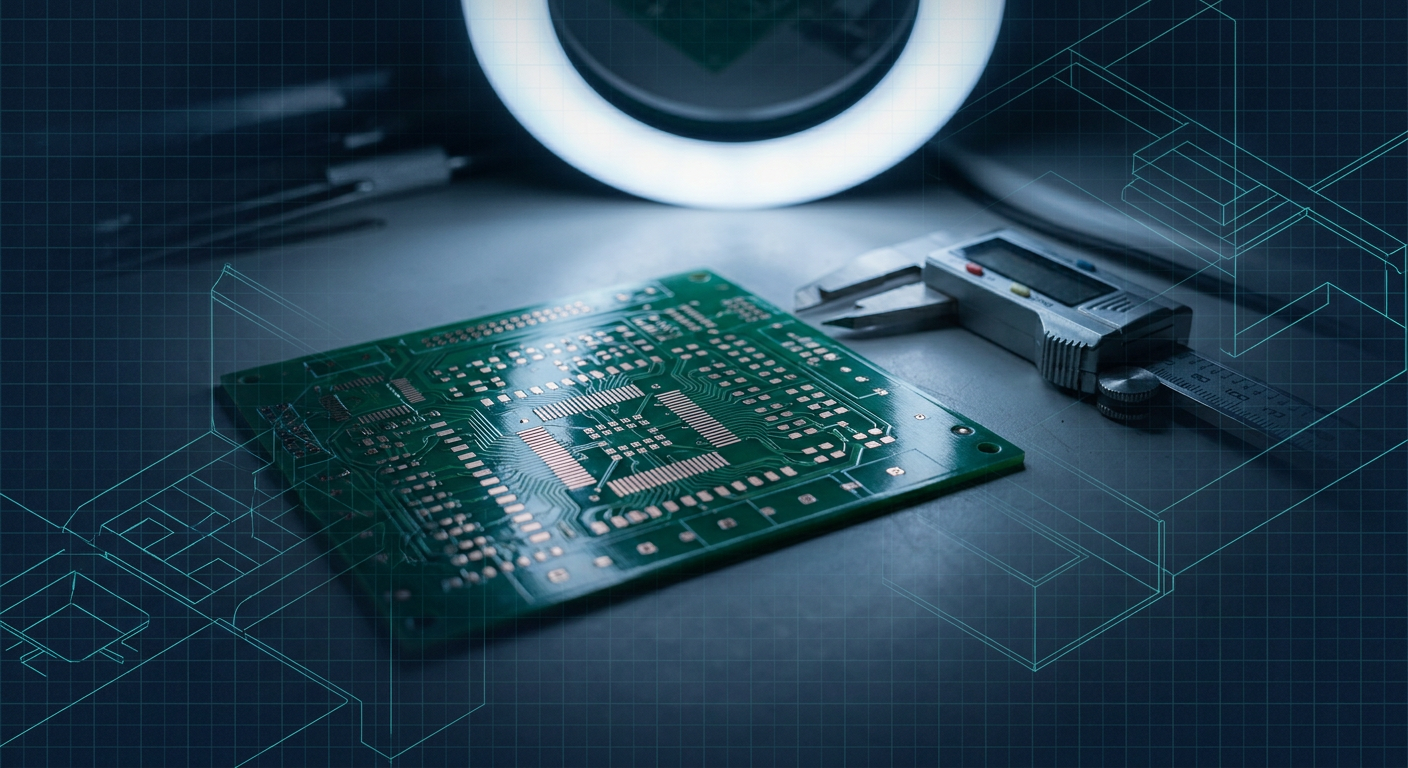
Prompt to Board Tools and the Risk of Silent DFM Holds
Conversational PCB generators turn prompts into Gerber files in minutes. Here is the physical DFM checklist solo engineers must run to stop CAM holds.
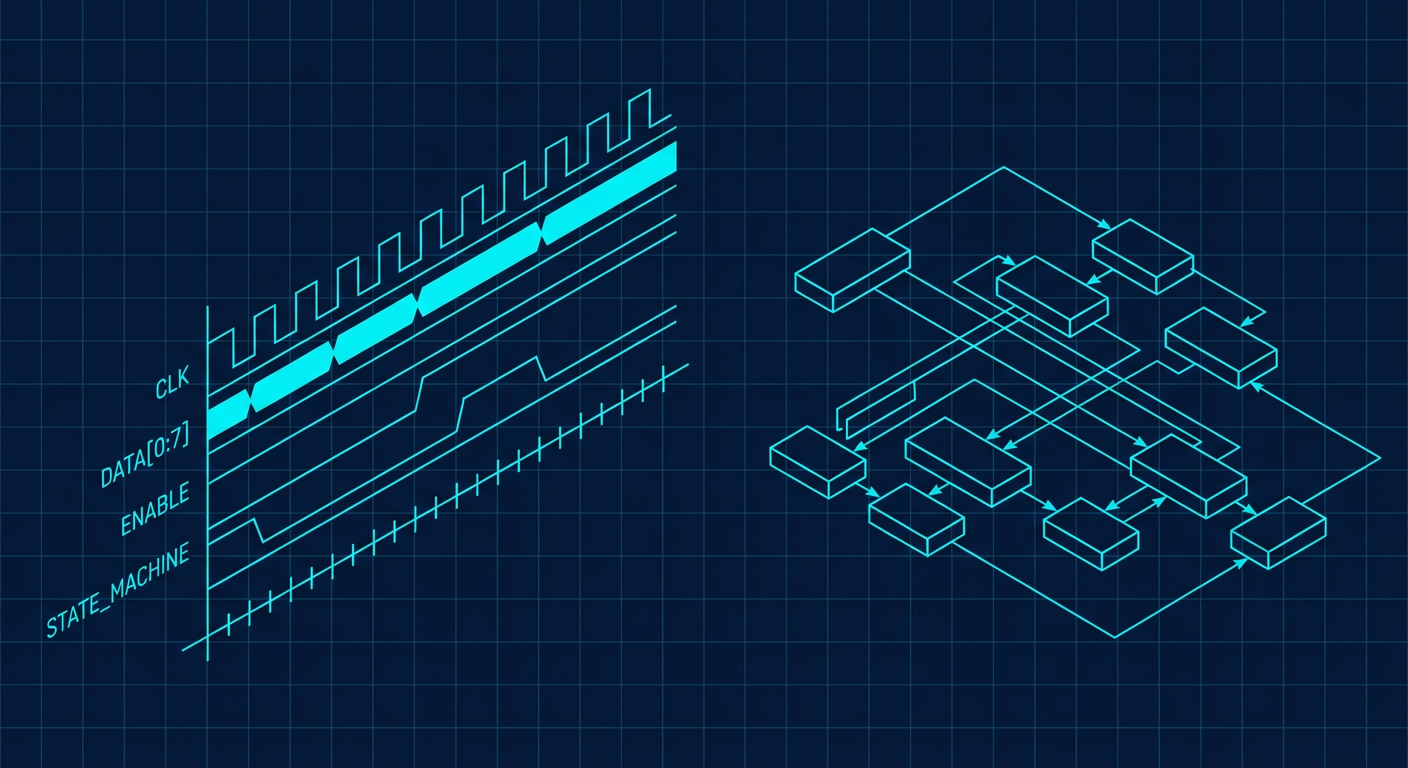
Why Hardware Startups Stopped Building Text to Verilog Generators
YC startups and research labs are abandoning prompt-to-RTL tools to fix waveform debugging, tackling the 70 percent of verification time spent chasing simulation bugs.
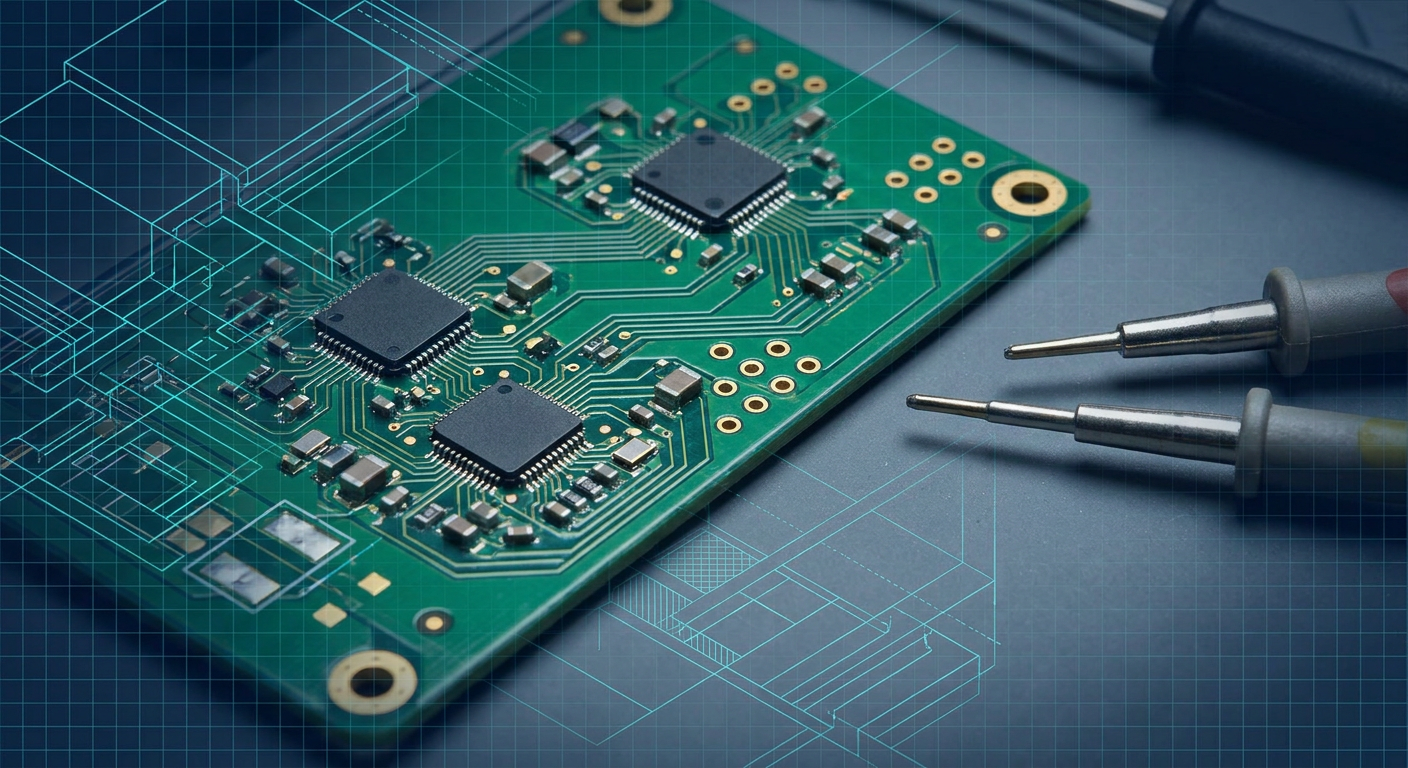
RL vs Rip-Up Routers: The Real Respin Math on 4-Layer Boards
AI routing engines promise push-button layout, but blind autorouting risks costly respins. Here is the financial and technical math for 4-layer startup boards.

Why ELRS PWM Receivers Are Taking Over the Club Flight Line
ExpressLRS has moved past miniquads into sport foamies and balsa gliders. Here is how budget PWM receivers, voltage telemetry, and failsafe setups stack up.

Reverse Engineering Kinematic Chains from Video
Columbia's self-modeling robot research shows how multi-view video can extract pivot centerlines, link lengths, and joint backlash from legacy factory machines.

Ricursive Intelligence and the Reality of Signoff Turnaround
Ricursive Intelligence raised $300M at a $4B valuation. Here is how deep-pocketed EDA startups tackle static timing analysis and where verification gaps remain.
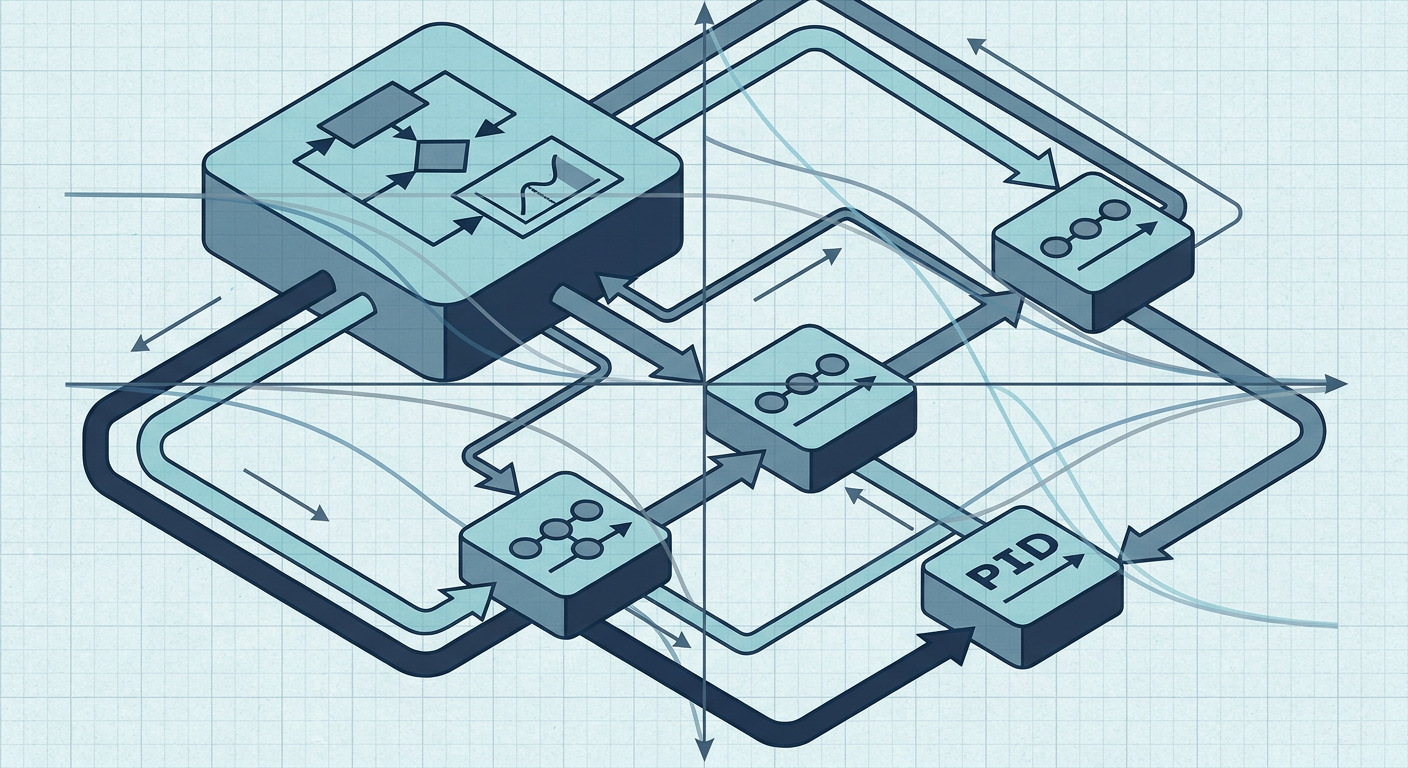
Why Pure Reinforcement Learning Fails Design Reviews
End-to-end neural policies lack formal stability proofs and gain margins. Here is how cascaded MPC and PID architectures pass safety reviews on real hardware.

Code-First PCB Schematics and Review Workflows for Solo Engineers
Tools like Copperhead and Atopile bring code-first design and git diffs to schematics. Here is how text-based capture handles footprints, BOMs, and review overhead.

Why Adaptive Math Platforms Win Corporate Upskilling Budgets
PyxiScience's 2M euro round highlights how enterprise L&D is cutting passive video catalogs in favor of adaptive foundational math tools that slash engineer onboarding.

Cadence RTL Agent Closes PPA Loops but Leaves Verification Open
Cadence added PPA-driven RTL generation to ChipStack AI. While closed-loop synthesis trims area, verification teams face an expanded signoff burden.

Why AI Autorouters Pass DRC but Fail High Speed Signal Integrity
AI layout engines hit 100 percent DRC completion with ease, but geometric clearance does not guarantee signal integrity. Here is how to catch high-speed bus failures before fab.

Cutting SMT Feeder Setup Fees on Small Batch PCB Runs
Specifying dozens of unique passive values drives up feeder setup costs on low-volume SMT lines. Here is how component rationalization cuts assembly friction and scrap.

Why That 14 Dollar Brushless Motor Still Crushes Lab Tech
Academic labs keep promising silent solid-state propulsion, but standard brushless motors and plastic props still dominate the flight line. Here is why.

Why LLM Taught Junior RTL Engineers Miss Sign Off Bugs
Academic LLM workflows help students pass HDL homework but hide metastability, CDC, and formal proofs. Here is how teams can audit junior verification skills.

Gulf Capital Backs Humanoid Actuators While Local Shops Face Tight Limits
As Gulf sovereign capital enters humanoid robotics and physical AI, regional machine shops face the hard reality of machining cycloidal drives, pin bores, and precision linkages.

How Pinned-Net Autorouting Keeps AI PCB Layout Controlled
Full-board AI autorouting breaks return paths, while manual routing burns prototype budgets. Here is how to configure a pinned-net hybrid workflow.

Why LLMs Cannot Replace SystemRDL for Register Maps
Large language models hallucinate address offsets and side-effect logic. Here is why deterministic SystemRDL and IP-XACT remain mandatory for register and bus safety.

Frequency Response Workflows for Fast Mechatronics System ID
Tuning robotic joints by hand wastes days and hides resonance. Automated swept-sine and PRBS workflows deliver verified plant transfer functions in minutes.

Why AI Generated Timing Constraints Break Silicon
AI copilots writing SDC and UPF create silent timing escapes that pass synthesis and STA. Here is why constraint hallucinations outrank RTL bugs in tape-out risk.

Why Building Mid-Level Engineering Talent Beats Buying It
Engineering requisitions now routinely stretch past ninety days. Here is the operational ROI framework to hire 80 percent fits and build the rest internally.